
Stocking reduction in a juvenile stand
Pre-commercial thinning program
Timber pricing, long-term planting-density trials, and growth-and-yield models were combined to set target stems per acre by site type and model a pre-commercial thinning cost ceiling consistent with the landowner’s target rate of return.
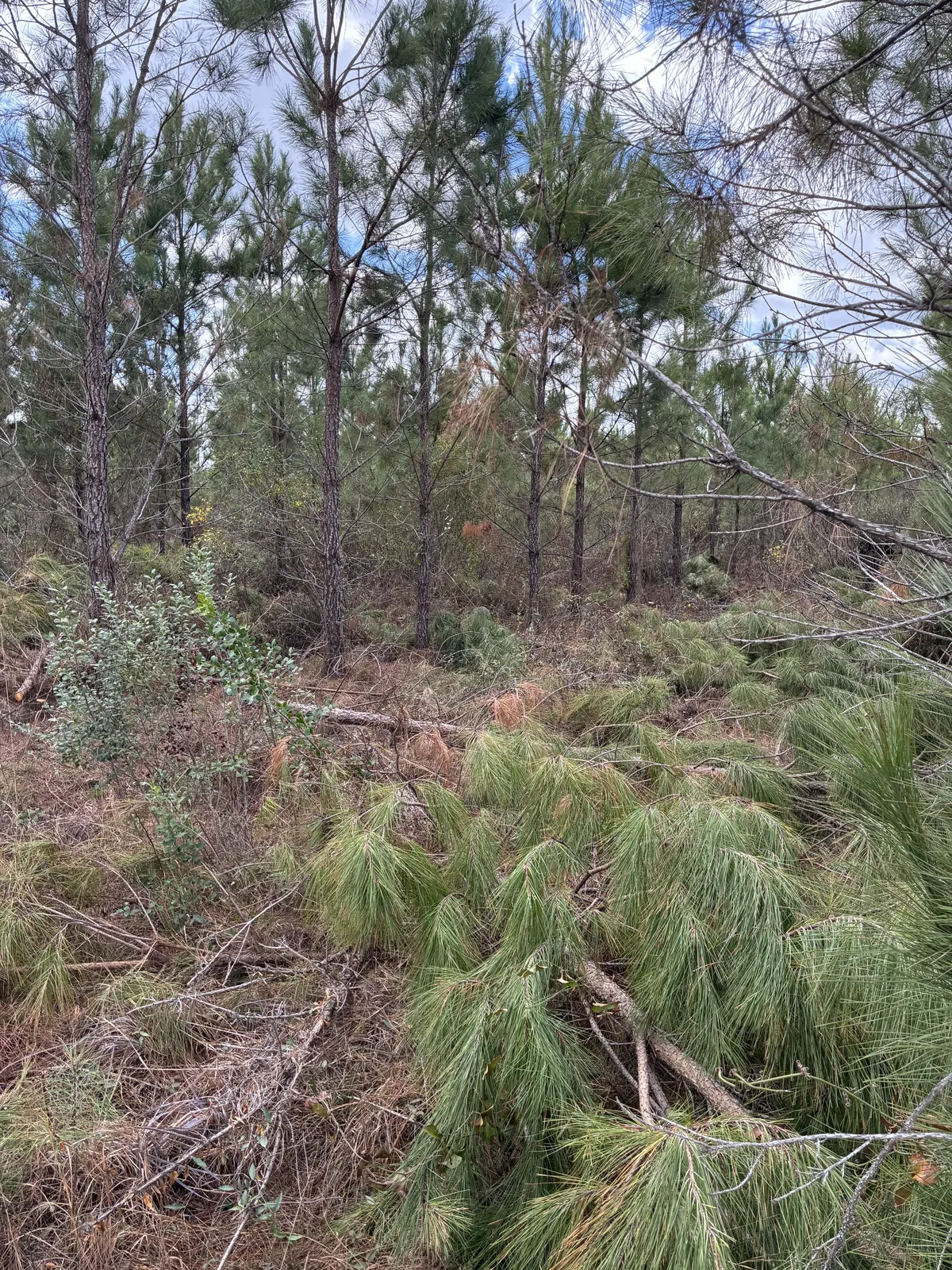
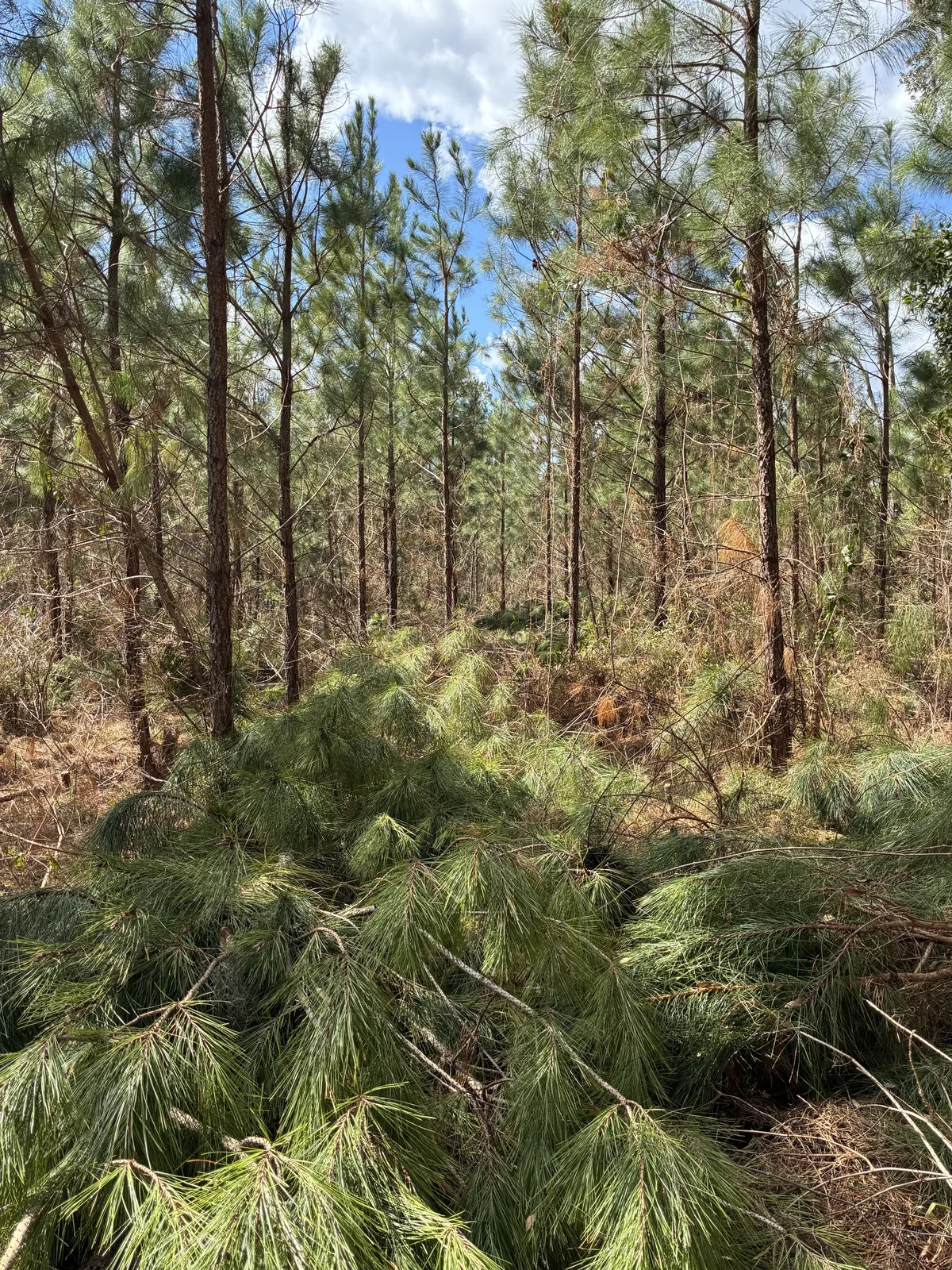
High-density juvenile stands lost an economically viable thinning outlet as pulpwood demand and pricing declined.
Pricing, density trials, and growth-and-yield models informed the program.
Target stems per acre by site type, a modeled PCT cost ceiling, and a program developed with PCT crews.
The pressure
Challenge
Pulp mill closures across the U.S. Southeast sharply reduced demand for pulpwood and weakened pricing. As a result, stands planted at high densities could no longer be economically thinned to reduce basal area, increasing the risk of stagnant growth, forest health issues, and low-value timber.
The evidence
Analysis
We combined timber pricing data, findings from long-term planting-density trials, and growth-and-yield models to set target stems per acre for different site types. Using those projections, we modeled a PCT cost ceiling consistent with the landowner’s targeted rate of return.
- Timber pricing
- Long-term density trials
- Growth-and-yield models
The field work
Field program
We then worked with PCT crews to develop a program that met the landowner’s quantitative stocking targets and qualitative objectives.
The result
Decision framework
The result was a science-led, finance-driven model linking target stems per acre by site type to a modeled PCT cost ceiling consistent with the target rate of return. It provided a practical framework for selecting stands and setting treatment targets.
Bring us the decision.
Let’s build the framework around your land.
Tell us what is changing on your property, what the numbers need to support, and where you need clarity.
Start a conversation